Why Preventive Roof Care Beats Reactive Repairs in 2026
For homeowners in Rockingham and the wider Perth region, the roof is the first line of defence against coastal weather. Salt-laden sea air, strong summer winds, intense UV exposure and heavy winter rain all take a toll on roofing materials. In 2026, with building costs still elevated and trade availability often tight, waiting for a leak to appear before taking action is one of the most expensive approaches a property owner can take. Preventive roof care, meaning scheduled inspections, cleaning and minor maintenance, consistently delivers better outcomes than reactive repairs.
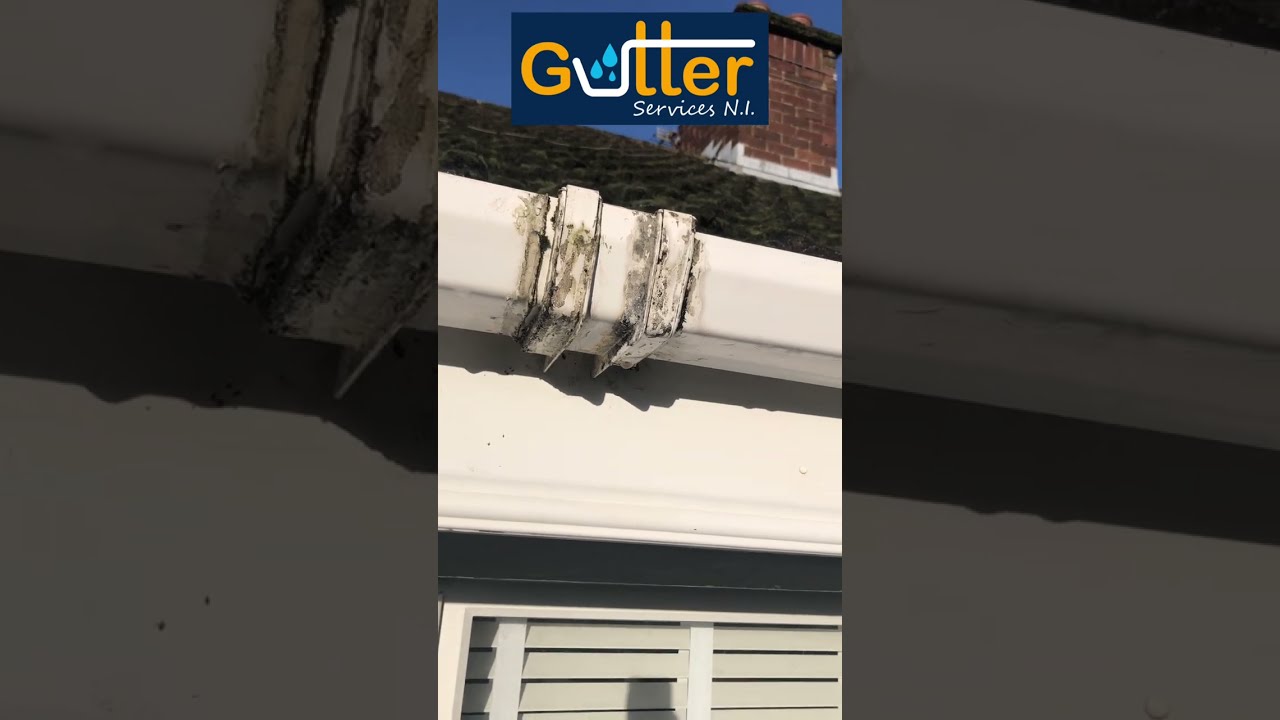
Understanding the Difference Between Preventive and Reactive Roof Care
Reactive repairs happen after a problem has already shown itself: a ceiling stain, a dripping sound during a storm, or a visibly damaged tile. By the time these symptoms appear, water has usually been entering the roof space for some time, and damage may extend to insulation, timber framing, plasterboard and electrical fittings.
Preventive roof care is a planned approach. It identifies small defects such as cracked pointing, loose fasteners, blocked gutters or early corrosion before they become failures. The work is usually minor, quick and far less costly than emergency repairs or partial roof replacement.
Why Rockingham Roofs Face Particular Challenges
Rockingham sits right on the coast, and that location creates conditions that accelerate roof wear compared with inland suburbs.
Salt Air and Corrosion
Airborne salt settles on metal roofing, flashings, screws and gutters. Over time it breaks down protective coatings and speeds up rust, particularly on Colorbond and galvanised steel that is not regularly rinsed by rain or washed down. Fasteners and flashings around penetrations are often the first components to fail.
Strong Coastal Winds
Perth's afternoon sea breeze, known locally as the Fremantle Doctor, and winter storm fronts put repeated stress on ridge caps, tile clips and sheet fixings. Loosened components may not be visible from the ground, but they can lift or dislodge during the next strong gust.
Intense UV and Temperature Swings
Western Australia's high UV levels degrade sealants, paint finishes and roof membranes. Concrete and terracotta tiles expand and contract through hot days and cool nights, which can open hairline cracks and weaken bedding and pointing compounds.
Winter Rainfall
Most of Perth's rain arrives in a few months. Any weakness in the roof tends to reveal itself quickly during that period, and it is also when tradespeople are busiest. Booking maintenance before winter avoids both water damage and long waiting times.
The Financial Case for Preventive Care
The cost gap between maintenance and emergency repair is significant. A routine inspection and minor service is typically a modest expense, while water damage can involve ceiling replacement, insulation replacement, mould treatment, repainting and electrical checks, in addition to the roof repair itself.
- Lower repair costs: Resealing a flashing or replacing a handful of broken tiles costs far less than repairing the internal damage that follows a leak.
- Longer roof lifespan: Regular cleaning, recoating and repairs can extend the useful life of a roof by years, delaying the cost of full replacement.
- Protected property value: A well-documented maintenance history reassures buyers, building inspectors and valuers.
- Insurance advantages: Insurers may decline claims where damage is attributed to long-term neglect or lack of maintenance. Keeping inspection records helps demonstrate reasonable care.
- Fewer emergencies: Planned work can be scheduled at convenient times and at normal rates rather than as urgent call-outs after storms.
What a Preventive Roof Inspection Covers
A thorough inspection looks well beyond the visible surface. A qualified roofer will generally assess the following areas:
Roof Surface
Tiles are checked for cracks, slippage and porosity, while metal sheets are examined for rust, lifting, dents and failed fasteners. Moss, lichen and built-up debris are noted, as these hold moisture against the surface.
Ridge Capping and Pointing
On tiled roofs, the mortar or flexible pointing along ridges and hips is one of the most common failure points. Cracked or crumbling bedding allows water in and can leave ridge caps loose in high winds.
Flashings and Penetrations
Flashings around chimneys, skylights, vents and wall junctions are common leak sources. Sealants and metal edges are inspected for gaps, lifting and corrosion.
Gutters and Downpipes
Blocked or sagging gutters cause overflow, which can damage fascia boards, eaves and even foundations. Rust, leaks at joins and poor falls are also checked.
Roof Space
Where access allows, the inspection includes the ceiling cavity. Signs of moisture, daylight through the roof, damp insulation, stained timber or pest activity can reveal problems not obvious from outside.
How Often Should You Service Your Roof?
As a general guide for Rockingham properties, a professional inspection at least once a year is sensible, ideally in autumn before the wetter months begin. Homes very close to the ocean, older roofs and properties with large overhanging trees may benefit from more frequent checks. An additional inspection after a severe storm is also worthwhile, even if no damage is apparent.
Simple Maintenance Homeowners Can Do Safely
Some tasks can be handled from the ground or with minimal risk, but climbing onto a roof is dangerous and best left to trained professionals. Falls from roofs remain a leading cause of serious home maintenance injuries in https://manueloezy463.northvaledigest.com/posts/best-gutter-guards-to-stop-debris-and-pests-in-wa-homes Australia.
- Check ceilings and walls regularly for stains, peeling paint or musty smells, which can signal an early leak.
- Look over the roof from ground level with binoculars for missing tiles, lifted sheets or sagging gutters.
- Keep gutters clear of leaves and debris, using a stable ladder only when it is safe and ideally with someone supervising.
- Trim branches that overhang the roof to reduce debris, abrasion and storm damage risk.
- Rinse salt from accessible metal surfaces where practical, particularly under eaves that rain does not reach.
- Keep records of inspections, repairs and photos to support insurance or resale needs.
Trends Shaping Roof Maintenance in 2026
Several developments make proactive care more attractive this year. Material and labour costs remain high, so avoiding unnecessary replacement carries real financial weight. Extreme weather events are drawing more attention from insurers and property owners alike, and roofs with solar panels are increasingly common, meaning damage or poor maintenance can affect energy generation as well as weatherproofing. Roofers are also using tools such as drone-assisted inspections and moisture detection to identify issues with less disruption, helping catch hidden problems early.
Looking toward 2027 and beyond, ongoing attention to energy efficiency, bushfire and storm resilience, and building standards is likely to keep roof condition in focus for homeowners, buyers and insurers. A maintained roof is better positioned to meet future expectations without large unplanned expenditure.
Signs You Should Not Wait for the Next Scheduled Inspection
Even with a maintenance plan, certain warning signs call for prompt attention:
- Water stains or bubbling paint on ceilings
- Cracked, broken or missing tiles
- Rust spots, lifted sheeting or exposed fasteners on metal roofs
- Sagging or overflowing gutters
- Daylight visible through the roof space
- Unexplained increases in cooling costs, which may point to damaged insulation or ventilation problems
- Granules, debris or fragments accumulating in gutters
Choosing a Roofing Professional in Rockingham
When arranging inspections or maintenance, look for a licensed and insured local roofer with experience in coastal conditions. Ask for a written report with photos, a clear scope of recommended work and itemised pricing. A reputable provider will prioritise repairs by urgency, explaining what needs immediate attention and what can be monitored, rather than pushing unnecessary work.
Final Thoughts
Preventive roof care is a practical, cost-effective strategy for Rockingham homeowners. By addressing small issues early, you protect the structure of your home, avoid disruptive and expensive emergency repairs, and extend the life of your roofing system. In a coastal environment where salt, wind and UV exposure are constant, a regular inspection and maintenance routine in 2026 is one of the smartest investments you can make in your property.
Rockingham Roof Restoration
Unit 7, 8 Livingstone Rd, Rockingham WA 6168
(08) 9515 3009
Ends · LANDENGODY183